Giza
Grand Egyptian Museum
The largest archaeological museum ever built, assembling the complete Tutankhamun collection beneath a single alabaster-clad roof.
Read →From the Old Kingdom quarries of Giza to the Ptolemaic frontier at Philae, a single credential drawn up by curators and honoured at the gate of every principal institution.
Explore our passes →For centuries the traveller arrived at the Nile with a letter of introduction and walked, with patience and an Arabic-speaking guide, from one antiquities house to the next. We have replaced that letter with a credential. Mus Passes is the work of a small team of Egyptologists, museum registrars and digital engineers who believed the country's heritage deserved an admission process as considered as its galleries. A single pass, issued in Cairo and recognised from Alexandria to Abu Simbel, opens the gates to Pharaonic, Coptic, Islamic and Graeco-Roman collections alike — and does so without the queuing, the repeated ticket booths and the loose paperwork that have long shadowed the visit.
Every partner institution on our roster has been vetted by our curatorial board. We do not resell aggregator inventory; admission is negotiated directly with each museum's administration and the Supreme Council of Antiquities.
A scannable credential in your wallet replaces the paper coupon book. At primary sites — including Giza, Karnak and the Valley of the Kings — holders enter through a reserved lane with a priority steward on duty.
Pharaonic tombs, Coptic crypts, a Mamluk-era mosque-museum and the Hellenistic collection at Alexandria are all held behind a single credential. The traveller need not buy a separate ticket at any partner site.
A short, representative list. The full catalogue runs to ten institutions across five governorates.
The largest archaeological museum ever built, assembling the complete Tutankhamun collection beneath a single alabaster-clad roof.
Read →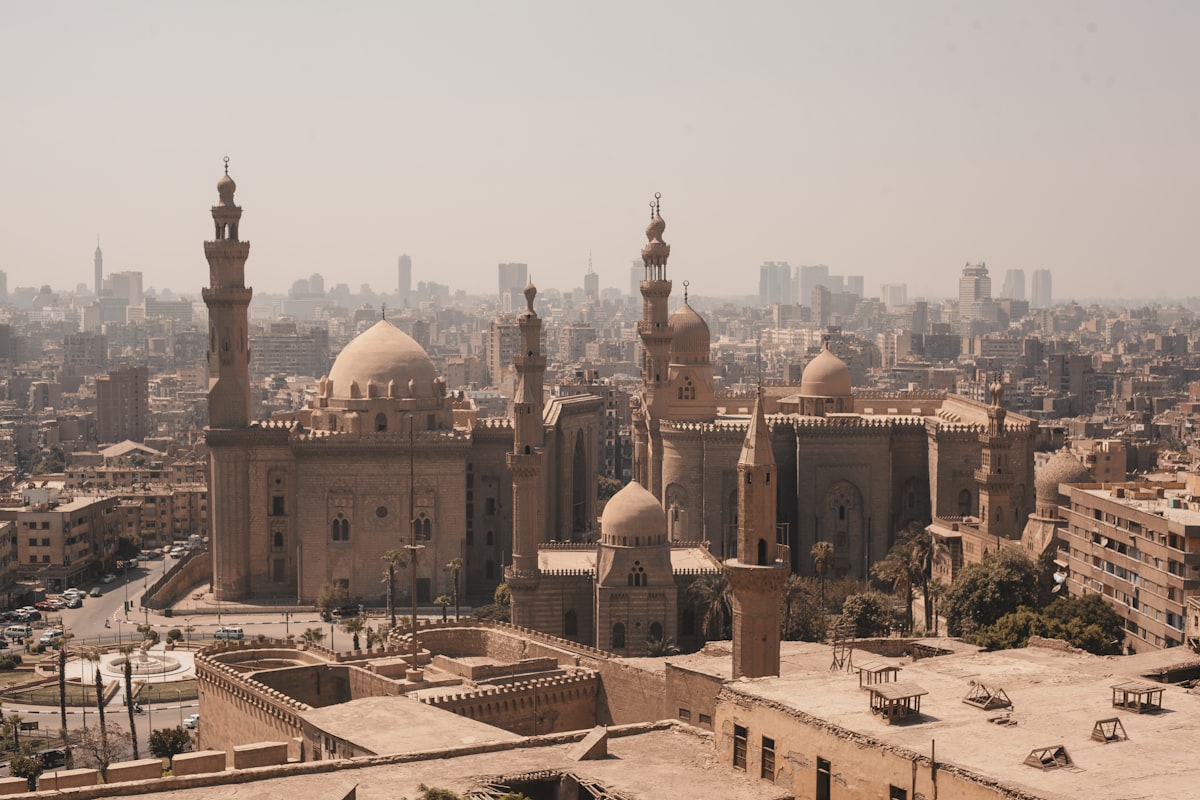
Marcel Dourgnon's neoclassical pile of 1902, still home to the Royal Mummy Hall and the Narmer Palette.
Read →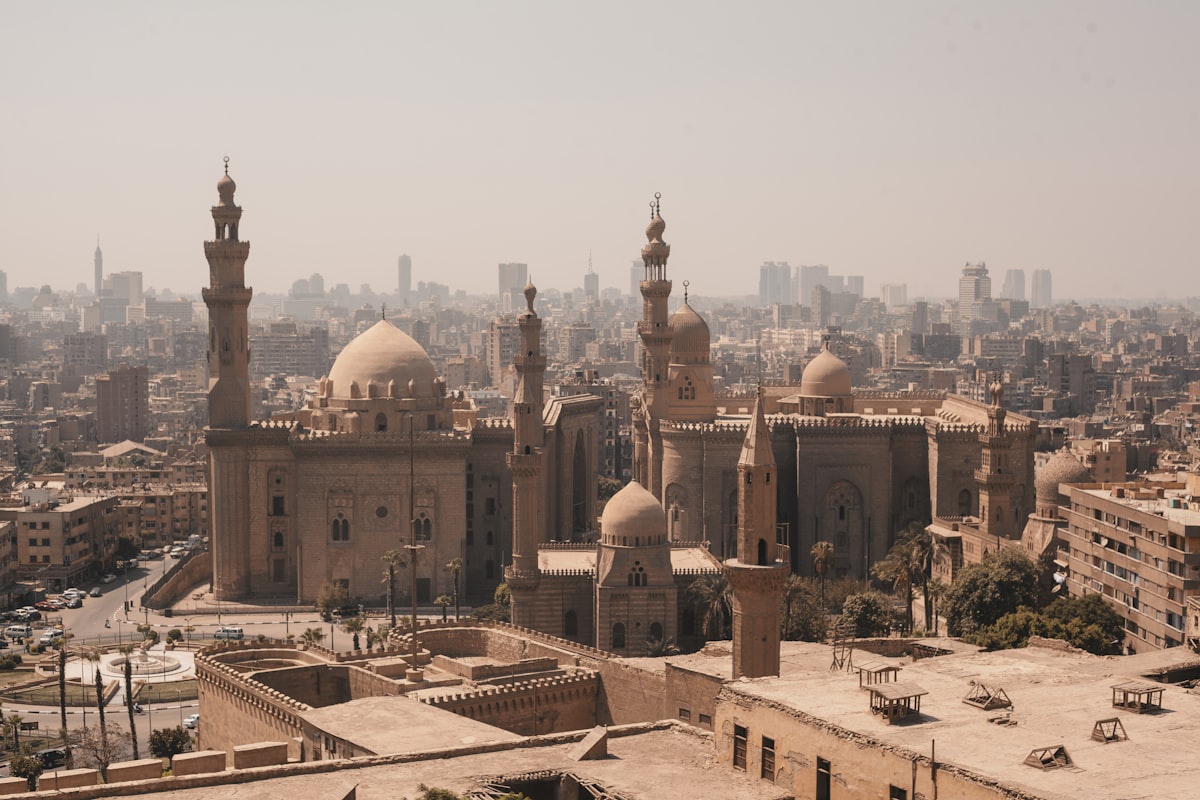
A small, austere gallery overlooking the Nile — compact and superbly curated, with evening openings.
Read →
The principal record of the civilisation salvaged above the waterline by the UNESCO campaign of the 1960s.
Read →When the last of the Tutankhamun ushabti travelled the twelve kilometres from Tahrir Square to the new galleries on the Giza Plateau in the autumn of 2024, it completed a migration that had been forty years in planning and close to a century in ambition. The Grand Egyptian Museum — or GEM, as the project's engineers have come to call it — is, at five hundred thousand square metres, the largest archaeological museum ever built for a single civilisation.
For the traveller, the significance is not the scale but the reassembly. For the first time since Howard Carter's discovery in 1922, the boy king's five thousand funerary artefacts sit in one room together: the gilded shrines, the alabaster canopic chest, the ceremonial chariots and the innermost coffin of solid gold that once rested, Russian-doll fashion, inside three outer coffins and a stone sarcophagus. To walk the grand staircase of royal statues and then, on the uppermost gallery, to see the full assemblage is to read the Eighteenth Dynasty as its priests intended.
Our pass includes admission to the permanent galleries and the Tutankhamun suite. The conservation laboratories, visible from the public corridor, remain an extraordinary sight in their own right — glass-walled workshops where Egyptologists in white cotton coats quietly treat linen, pigment and cedarwood from three and a half millennia ago.
From a single-site credential for the traveller with one free afternoon to a ten-day Pharaonic Grand Pass for the dedicated visitor, each tier is priced plainly in United States dollars and activates on first scan.
"It is the first time in my forty years of writing about Egypt that a single credential has taken me from the Cairo Museum to the gate of Abu Simbel without a single printed ticket. That, in its quiet way, is a small revolution."— Dr. Leila Nassar, contributing editor, Egyptian Archaeology Review
Choose a tier, receive your credential by email within minutes, and present the QR at the gate of your first museum. We will do the rest.
Choose a pass